Choosing the Right 36-Inch Door: A Complete Guide to Size, Style, Materials, and Installation
Selecting the perfect front door is more than a design decision; it determines how your home welcomes guests, protects your family, preserves energy, and elevates curb appeal. Among modern entry options, the 36-inch door has become one of the most popular choices for both new builds and renovation projects. Its wider structure provides convenience, accessibility, and visual balance that many standard-sized doors often fail to deliver.
This comprehensive guide explains every essential aspect of a 36-inch door, including measurements, materials, architectural compatibility, insulation factors, installation considerations, and long-term maintenance. Whether you’re upgrading your exterior entrance or designing a new home, understanding how this door size impacts your property helps you make a confident, well-informed decision.
To explore premium options, styling variations, and sizing guides, homeowners often start by reviewing dedicated resources such as this one: 36 inch door.
Why the 36-Inch Width Has Become a Standard Among Modern Homes
The popularity of the 36-inch door is driven by a blend of functionality, comfort, and contemporary architecture. Older homes often used 30-inch or 32-inch entry doors, but today’s homeowners prefer wider entryways. This shift results from evolving lifestyle needs and enhanced architectural trends.
Key reasons behind its growing adoption:
- Provides easier movement of furniture, appliances, and large household items.
- Offers improved accessibility for wheelchairs, walkers, and strollers.
- Enhances the overall appearance of the home’s facade by creating visual balance.
- Accommodates sidelights more naturally when homeowners want natural lighting.
- Allows better airflow when open, which helps during warmer seasons.
- Supports more secure and modern locksets due to the larger frame.
Wider doors also give homes a more welcoming character. The proportional advantage is especially valuable for homes with tall ceilings, broad porches, or substantial exterior elevations.
Exact Measurements: Understanding the True Dimensions of a 36-Inch Door
Although commonly referred to as a “36-inch door,” the measurement can vary slightly depending on whether you’re referencing the slab, frame, or rough opening.
Door slab measurement
The slab itself measures exactly 36 inches across and typically 80 inches tall. This is the most common standard, although custom heights such as 84 or 96 inches have become increasingly popular.
Frame measurement
Once the door is mounted into a frame, the width increases slightly. Depending on frame thickness, the final measurement often ranges between 37.5 and 38 inches.
Rough opening
For installation purposes, builders require additional space around the frame for adjustment, shimming, waterproofing, and insulation.
The typical rough opening size for a 36-inch door is approximately:
- 38 to 38.5 inches wide
- 82 to 82.5 inches tall
Understanding these measurements ensures a smooth installation process, helps avoid returns or incorrect orders, and reduces unnecessary renovation adjustments.
Architectural Styles That Pair Perfectly with a 36-Inch Door
One major advantage of this door size is its versatility. It suits a wide range of architectural designs, from classic to contemporary.
Popular styles that complement this door size:
1. Modern and Minimalist Homes
Clean, oversized facade lines and large doors match beautifully. Homeowners often prefer flush panels, glass inserts, or metal accents.
2. Traditional Suburban Homes
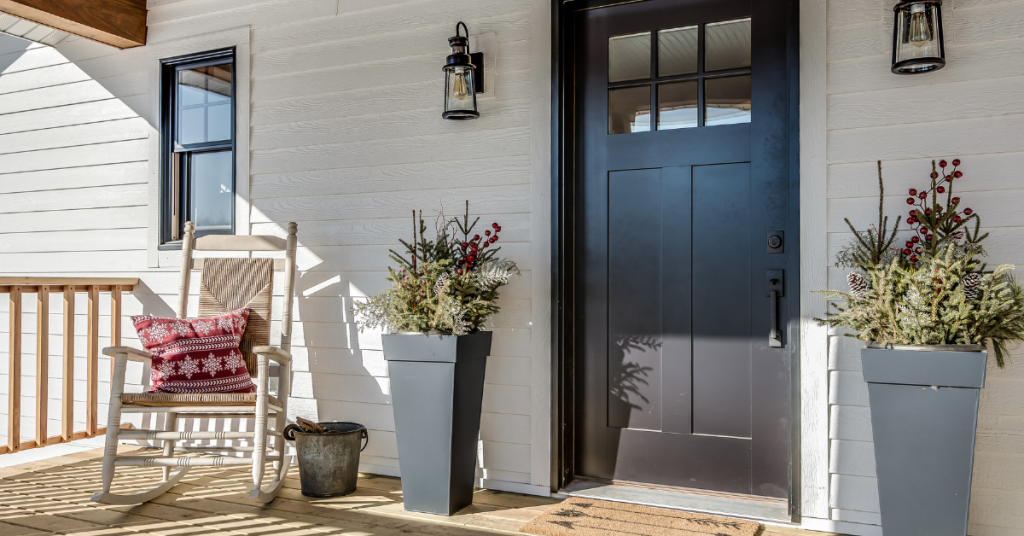
Paneled doors, walnut or mahogany finishes, and decorative glass elements work exceptionally well.
3. Craftsman Bungalows
This style naturally embraces wider doors featuring woodgrain textures, rectangular glass inserts, and robust trim.
4. Mediterranean or Spanish Revival
Arched designs, wrought-iron details, and deeper hues make the 36-inch width feel both luxurious and authentic.
5. Contemporary Farmhouse
Often paired with sidelights or full-view glass, this door size enhances brightness and openness.
Material Choices: Selecting the Right Build for Long-Term Durability
A high-quality entry door must balance appearance, insulation, weather resistance, and security. The 36-inch format supports a wide range of materials, each with unique benefits.
Fiberglass Doors
- Highly durable and resistant to moisture and warping
- Excellent insulation performance
- Can mimic natural woodgrain without the maintenance
- Ideal for regions with extreme temperature changes
Solid Wood Doors
- Offers classic luxury, richness, and craftsmanship
- Can be refinished or restored multiple times
- Best suited for covered entryways to protect against moisture
- Requires routine maintenance to preserve appearance
Steel Doors
- Provides superior security and strength
- Low maintenance and cost-effective
- Strong insulation core
- Susceptible to dents if exposed to hard impact
Composite and Engineered Materials
- Blend of durability, design flexibility, and energy efficiency
- Resist warping, swelling, and rotting
- Great for modern homes requiring low-maintenance performance
Choosing the right material depends on climate, aesthetic preference, budget, and the level of security required.
Enhancing Entryway Design: Sidelights, Transoms, and Hardware
A wider door naturally allows more creativity in entryway composition. Homeowners frequently combine a 36-inch door with additional architectural enhancements.
Sidelights
Slim glass panels positioned vertically along the sides of the door allow natural light inside and create a more dramatic entrance.
Transoms
Glass panels above the door improve ventilation (when operable), enhance brightness, and elevate the sense of height.
Decorative Hardware
The larger surface gives more flexibility for installing:
- Tall vertical pull handles
- Smart locks
- Multipoint locking mechanisms
- Decorative hinges
- Oversized escutcheon plates
These accessories boost visual appeal and security while complementing the broader door structure.
Energy Efficiency: How the Door Size Impacts Insulation
A common misconception is that wider doors reduce insulation quality. In reality, modern engineering ensures that 36-inch doors can be as energy-efficient as any other size when equipped with the right features.
Key efficiency considerations:
- Weatherstripping must be high-quality and properly aligned.
- The core material (foam, wood, composite) influences thermal retention.
- Multi-pane glass inserts offer significant temperature resistance.
- Proper installation prevents air leakage.
Energy-efficient entry doors reduce heating and cooling costs while maintaining indoor comfort throughout the year.
Installation Considerations for Homeowners and Builders
A 36-inch entry door requires precise planning and preparation. Whether replacing an older door or installing one in new construction, several technical factors influence the outcome.
Important installation steps:
- Check the existing rough opening
Ensure measurements match the required clearance for the new unit. - Verify floor level and threshold alignment
An uneven base can cause sticking, misalignment, or premature wear. - Evaluate wall structure and framing
Older homes may need reinforcement to support the weight of heavier doors, especially solid wood or oversized models. - Seal carefully for waterproofing
Exterior doors are exposed to wind, rain, and temperature shifts; correct sealing protects against moisture infiltration. - Use proper shims for alignment
Ensures longevity, smooth operation, and lockset accuracy.
Professionally installed doors tend to perform better long-term, especially for homes located in climates with significant seasonal variations.
Maintenance Tips to Keep Your Door Looking New
A 36-inch door can last decades when maintained properly. While care needs vary based on material, the following general practices help preserve quality:
- Inspect weatherstripping annually and replace when worn.
- Clean glass inserts with non-abrasive solutions.
- Refinish wood doors every few years to protect from moisture and UV exposure.
- Tighten hinges and hardware periodically.
- Lubricate locksets to ensure smooth functioning.
- Keep the threshold free from dirt and debris to maintain proper sealing.
Regular maintenance enhances appearance and extends the life of the door.
Comparing the 36-Inch Door With Other Entry Door Sizes
While 32-inch and 34-inch doors are also used, the 36-inch width offers superior benefits across functionality, design, and accessibility.
Comparison overview:
| Feature | 32-inch | 34-inch | 36-inch |
|---|---|---|---|
| Accessibility | Moderate | Improved | Excellent |
| Moving Furniture | Limited | Moderate | Spacious |
| Energy Efficiency | Equal | Equal | Equal |
| Visual Appeal | Depends on design | Balanced | Strong, modern impact |
| Sidelight Compatibility | Limited | Moderate | Ideal |
| Best For | Small homes | Traditional homes | Modern and spacious homes |
For most homeowners, the 36-inch option strikes the perfect balance between practicality and style.
Conclusion: Why the 36-Inch Door Is a Smart Investment for Any Home
A front door defines the character of your home, influences energy performance, and ensures security. The 36-inch door has become a preferred choice because it blends convenience, strength, accessibility, and aesthetic elegance in one complete package. Its versatility suits nearly every architectural style, and the availability of various materials ensures long-term durability.
Whether renovating an older home or designing a new residence, choosing this size enhances functionality while elevating curb appeal. With proper installation and maintenance, a high-quality 36-inch entry door can serve your home beautifully for decades.