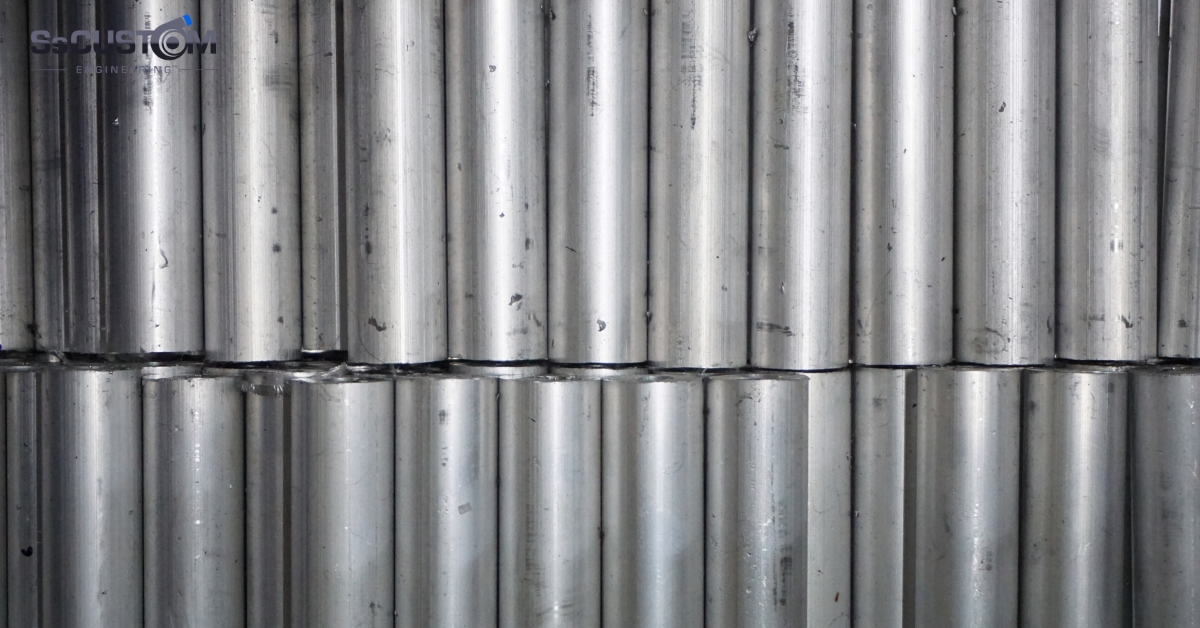
Exploring the Versatility and Value of Aluminum Tube in Automotive Fabrication
In the realm of automotive performance and custom fabrication, aluminum tube remains one of the most trusted and sought-after materials. Lightweight, corrosion-resistant, and impressively durable, it serves a multitude of purposes across performance upgrades, intercooler piping, exhaust routing, and more.
This comprehensive guide explores the many aspects of aluminum tubing, from material characteristics and applications to sizing, customization, and sourcing tips for car builders, racers, and mechanics alike.
Why Aluminum Tube is a Fabrication Favorite
Aluminum is widely known for its favorable strength-to-weight ratio. When formed into tubing, this quality makes it an ideal choice for constructing high-performance parts without burdening the vehicle with additional weight. Below are some of the top reasons aluminum tube is favored across industries, particularly automotive:
1. Lightweight Nature
Aluminum weighs about one-third as much as steel, making it perfect for builds where weight savings are critical — especially in motorsports and performance upgrades.
2. Corrosion Resistance
Unlike steel, which can rust easily without coatings, aluminum forms a natural oxide layer that protects it from corrosion. This makes aluminum tubing ideal for humid or high-moisture environments.
3. Thermal Conductivity
Aluminum has excellent thermal conductivity, making it effective for heat-sensitive applications like intercooler piping or turbo systems.
4. Formability
Aluminum tubes can be bent, cut, or welded with relative ease, making them a go-to for custom-fit installations.
Common Applications of Aluminum Tube in Automotive Use
The adaptability of aluminum tube allows it to shine across multiple areas in vehicle construction and upgrades:
• Intercooler Piping
Used in turbocharged and supercharged setups to transport compressed air from the turbo to the intercooler and intake.
• Air Intake Systems
Aluminum tubing is often used to create custom cold air or short ram intake paths due to its low weight and heat resistance.
• Exhaust Systems (Selective Use)
While stainless steel dominates exhaust fabrication, aluminum tubing is sometimes used in lightweight, temporary, or budget performance systems where extreme heat is not a concern.
• Radiator and Coolant Lines
Its thermal conductivity helps in creating efficient cooling system lines.
• Structural Support and Bracing
In racing vehicles, aluminum tubes are sometimes used in non-critical structural components to save weight.
Key Types of Aluminum Tubing Available
Not all aluminum tubing is made the same. For optimal performance and longevity, it’s essential to select the appropriate type for your project:
| Type of Aluminum Tube | Description | Best Use Cases |
|---|---|---|
| 6061 Aluminum Tube | Heat-treatable, strong, and corrosion-resistant | Intercooler pipes, bracing, intake |
| 3003 Aluminum Tube | Highly workable and corrosion-resistant | Low-pressure coolant or air systems |
| Polished Aluminum Tube | Pre-finished for show car builds | Visible engine bay components |
| Beaded Aluminum Tube | Pre-formed beads for clamp security | Boosted intake and charge piping |
Sizing Considerations for Aluminum Tube
Selecting the right tube diameter and wall thickness is essential to avoid flow restriction or structural failure. Here’s a simplified chart for common applications:
| Application | Suggested Outer Diameter | Wall Thickness |
|---|---|---|
| Intercooler Piping | 2.5″ to 3″ | 0.065″ |
| Air Intake | 2″ to 3″ | 0.049″ – 0.065″ |
| Coolant Lines | 1.25″ to 1.75″ | 0.065″ |
| Light Structural Bracing | 1″ to 1.5″ | 0.083″ |
Note: Always account for PSI levels, thermal expansion, and stress points when choosing sizing.
Welding and Joining Techniques
Aluminum requires more care in welding due to its oxide layer and high thermal conductivity. Here are some common practices:
- TIG Welding (GTAW): Ideal for clean, strong aluminum welds.
- Bead Rolling and Clamping: Common in intercooler systems to prevent hose blow-off.
- V-Bands: Useful for removable joints in performance setups.
- Silicone Couplers: Provide flexibility and reduce vibration stress between connections.
Maintenance and Longevity
Though aluminum tubing is resistant to corrosion, regular inspection is still necessary, especially in high-vibration or high-temperature areas.
- Check for Cracks: Especially near welds and bends.
- Inspect Fittings: Loose clamps can cause boost leaks or coolant loss.
- Clean Routinely: Especially when used in intake paths to avoid debris buildup.
Custom Fabrication Projects Using Aluminum Tube
For tuners and fabricators, aluminum tubing unlocks creativity and engineering freedom. Some inspiring projects include:
• Turbocharged Intake Piping
Crafting mandrel-bent aluminum tube paths to and from a front-mount intercooler, ensuring optimal airflow with minimal bends.
• Weight-Saving Roll Cage Bracing
Although aluminum is not used in primary roll cages (due to regulatory concerns), some track cars use it in peripheral bracing to shed weight.
• Engine Bay Dress-Up
Polished or anodized aluminum tubes enhance engine bay aesthetics in show builds.
Choosing the Right Source for Aluminum Tube
When choosing where to buy, builders must focus on material quality, consistency, and shipping reliability. For high-grade, performance-ready tubing, many Australian car fabricators turn to:
Aluminum Tube at SSCustoms — offering a wide selection of sizes and finishes ideal for custom fabrication.
Their inventory is built with fabricators in mind — easy to browse, well-labeled, and available in both straight and pre-bent formats. Whether you’re building a full-blown race setup or just upgrading your daily’s intake path, choosing the right aluminum tube supplier ensures long-term performance.
Tips for First-Time Fabricators
New to working with aluminum tubing? These starter tips may help:
- Mock Before Cutting: Use cardboard tubes or cheap PVC to test fit designs.
- Buy Extra Length: Errors in cutting or bending happen. Having spare saves time.
- Invest in Proper Tools: Tube benders, deburring tools, and TIG welders are essential.
- Label Sections: In multi-part builds, marking each tube helps during assembly.
Final Thoughts
Aluminum tube remains a staple in the performance and custom automotive world — a symbol of efficiency, adaptability, and craftsmanship. From boosted street builds to competitive motorsport vehicles, its role is irreplaceable in achieving lightweight, high-performance solutions.
With proper selection, fabrication, and installation, aluminum tube can elevate any project both functionally and visually. To ensure quality and reliability, it’s recommended to choose proven sources like SSCustoms’ Aluminum Tube collection — trusted by tuners, racers, and enthusiasts across Australia.