Stainless Bends: A Comprehensive Guide for High-Performance Fabrication
Stainless bends play a crucial role in modern fabrication, engineering, performance automotive work, and industrial manufacturing. Their durability, corrosion resistance, and smooth flow characteristics make them indispensable for systems that demand strength and precision. Whether the project involves exhaust fabrication, food processing equipment, marine applications, or architectural designs, the quality of stainless bends determines both efficiency and longevity.
This guide explores how stainless bends are used, the types available, how to select the right bend, and why industries rely on stainless steel components for high performance. You will also find key specifications, benefits, and practical considerations that help ensure proper engineering outcomes.
To source premium grade components for various fabrication needs, many professionals prefer specialized suppliers offering quality Stainless Bends from trusted collections.
Understanding Stainless Bends
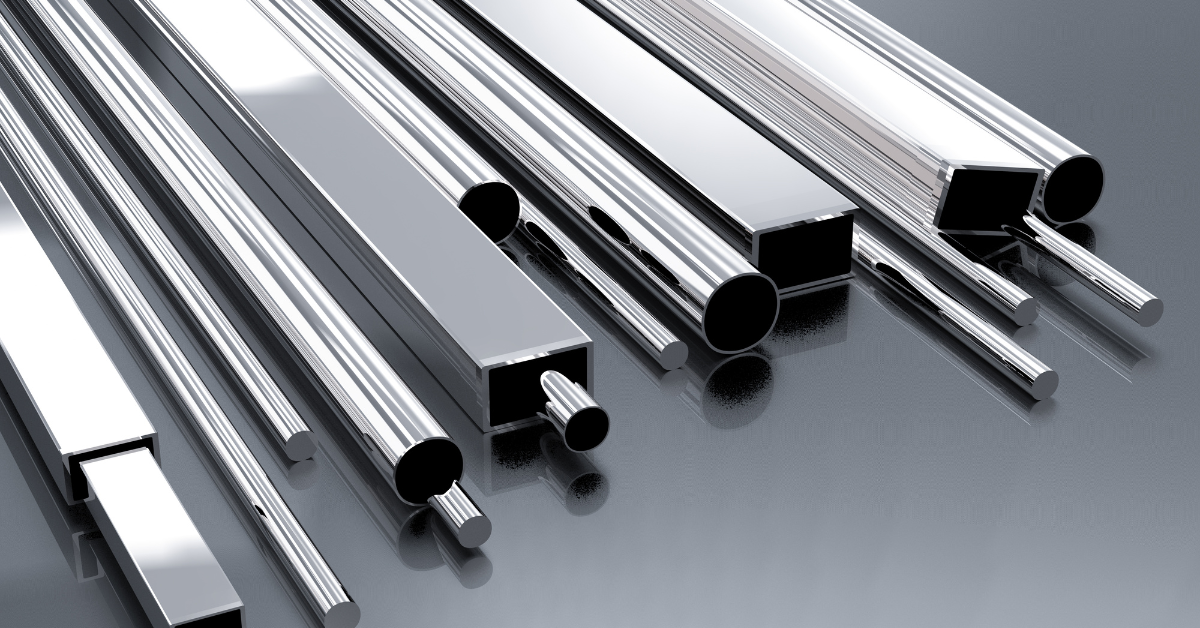
Stainless bends are pre-formed sections of stainless steel tubing designed to alter direction while keeping structural integrity intact. They are engineered to maintain consistent diameter and thickness throughout the curve, which is essential for systems that require uninterrupted flow, such as exhaust lines, fluid transfer systems, and air intake paths.
A stainless bend is valued for its ability to withstand high temperatures, resist chemical corrosion, and maintain aesthetic appeal. Unlike mild steel or other materials, stainless maintains strength and durability without requiring heavy coatings or constant maintenance. This makes stainless bends a long-term solution for both industrial and performance applications.
Common Industries That Depend on Stainless Bends
Stainless bends appear across a wide range of industries because of their reliability and robust performance. Some of the most prominent sectors include:
Automotive and Motorsports
Exhaust fabricators rely heavily on stainless bends to create high-flow systems. The bend radius, smooth interior surface, and weldability help ensure engines perform efficiently. Stainless bends also withstand extreme heat cycles, making them ideal for turbo applications.
Marine Engineering
Saltwater environments require components that resist corrosion. Stainless bends are often used in marine exhaust systems, fuel systems, rails, and custom structures where longevity is critical.
Food and Beverage Processing
Sanitary conditions demand materials that resist contamination. Stainless bends used in piping and handling equipment help maintain strict hygiene standards while preventing rust and chemical reaction.
Construction and Architecture
Architects incorporate stainless bends into handrails, decorative installations, and structural components for modern aesthetic appeal combined with high durability.
Industrial Manufacturing
Factories use stainless bends for fluid transfer lines, ventilation systems, and pressure systems. Their resistance to harsh chemicals ensures uninterrupted operations.
Types of Stainless Bends
Different bending styles and configurations serve different engineering needs. Below are some common types used across fabrication industries.
Mandrel Bends
Mandrel bending uses an internal support during the bending process, maintaining the full diameter and preventing wrinkling. These bends are ideal for performance automotive exhaust systems where consistent airflow is essential.
Press Bends
Press or crush bends are more economical but slightly distort the internal shape. They are used in applications where high efficiency flow is not mandatory.
Pie-Cut Bends
For custom fabrication, fabricators sometimes weld together a series of small angled cuts, forming a bend. This method allows for unique angles but requires more welding work.
Long Radius Bends
These bends have a larger radius, offering smoother flow for gases and liquids. They reduce pressure drops and are preferred for high-performance setups.
Tight Radius Bends
These are used when space is limited. A tight radius allows the tubing to change direction quickly without increasing overall system length.
Material Grades Available for Stainless Bends
Stainless steel comes in various grades, and choosing correctly ensures optimal system performance.
304 Stainless
Commonly used for general fabrication. It provides good corrosion resistance and is easy to weld.
316 Stainless
Known for superior corrosion resistance, especially in marine environments. Ideal for saltwater exposure and chemical processing.
409 Stainless
Often used in automotive exhaust systems. It is heat resistant and cost effective but slightly less resistant to corrosion than 304.
321 Stainless
Excellent for high heat environments and used frequently in motorsport turbo fabrication.
Each grade offers unique benefits depending on temperature resistance, structural expectation, and environmental factors.
Choosing the Right Stainless Bend
Selecting the proper stainless bend involves evaluating several engineering requirements.
Diameter and Wall Thickness
This determines flow capacity and strength. Thicker walls handle more pressure and heat.
Bend Radius
A smoother radius supports better airflow and fluid movement, but space limitations sometimes require tighter bends.
Application Environment
Marine, industrial chemical, and food grade environments require specific stainless grades.
Welding Requirements
Some projects need high weldability, especially when creating custom systems.
Aesthetic Preferences
Architectural applications often choose polished or brushed finishes for visual appeal.
How Stainless Bends Enhance System Efficiency
Stainless bends contribute significantly to overall system performance. Their consistent internal diameter prevents turbulence, which is essential for exhaust systems, HVAC lines, and hydraulic piping. Smooth bends reduce backpressure and ensure better energy efficiency whether moving air, fluid, or gas.
In high heat applications, stainless bends maintain stability without warping. In corrosive environments, they ensure long service life, reducing maintenance expenses.
These advantages collectively improve reliability, reduce downtime, and increase the performance of mechanical systems.
Fabrication Techniques for Stainless Bends
Fabricators use different techniques depending on the required bend style and system layout.
Welding
TIG welding is common for joining multiple stainless bends or creating pie-cut shapes. Stainless welds, when done correctly, are strong and visually clean.
Cutting and Fitting
Precision cutting ensures correct alignment and minimal gap during welding. Mandrel bends help reduce the amount of cutting required.
Finishing
Polishing improves appearance and increases corrosion resistance. Industrial applications may skip this step, while architectural uses often require refined finishes.
Advantages of Using Stainless Bends
Below is a table summarizing major advantages of stainless bends in fabrication projects:
| Advantage | Description |
|---|---|
| Corrosion Resistance | Performs exceptionally in harsh environments including marine and industrial settings. |
| Heat Tolerance | Suitable for high heat applications such as automotive exhaust systems. |
| Long Life Span | Less maintenance and longer durability compared to mild steel. |
| Strength | Maintains structural integrity even during heavy pressure cycles. |
| Smooth Flow | Reduces turbulence in exhaust and fluid systems. |
These characteristics make stainless bends a dependable choice for both standard and high performance systems.
Applications in Custom Exhaust Fabrication
One of the most common uses of stainless bends is in designing and building custom exhaust systems. Mandrel bends help create smoother transitions that enhance vehicle horsepower. A well-designed exhaust layout requires careful selection of radius, diameter, and stainless grade.
Performance vehicles benefit greatly from bends that maintain internal diameter throughout the curve. Stainless bends also withstand thermal fatigue, making them essential for turbocharged engines that experience extreme temperature fluctuations.
Why Fabricators Prefer Stainless Bends Over Mild Steel
Fabricators often choose stainless bends instead of mild steel for the following reasons:
- Longer lifespan
- Better resistance to rust
- Cleaner appearance
- Stronger welds
- Minimal maintenance
- More reliable under high heat
Although stainless bends generally cost more, the long term value outweighs the initial expense. The reduced need for repairs or replacements makes stainless steel the smarter investment.
One Anchor Placement
You can source premium quality Stainless Bends from a trusted range through Stainless Bends, ensuring consistent performance for fabrication projects of any scale.
Final Thoughts
Stainless bends remain one of the most essential components in modern fabrication. Their durability, versatility, and performance advantages make them the preferred choice across automotive, marine, industrial, and architectural applications. Whether designing a custom exhaust system, setting up a processing line, or constructing structural installations, stainless bends deliver reliability and long-term efficiency.
This comprehensive understanding allows engineers and fabricators to make informed decisions, ensuring strength, flow consistency, and system longevity in every project.